

Access control systems help businesses manage security and control who enters their premises. Many industries rely on these solutions to protect people, data, and valuable assets. This article explores nine industries that benefit the most from modern access control technology.
Why Access Control Solutions Are Essential for Businesses
Security threats are becoming more advanced, making traditional locks and key-based access ineffective. Modern access control systems offer digital solutions that restrict entry, monitor movement, and improve overall security. Businesses use these systems to protect employees, prevent unauthorized access, and reduce operational risks.
Access control technology goes beyond simple door locks. It includes features like biometric scanning, mobile credentials, and cloud-based management. These tools allow organizations to track who enters and exits while integrating with other security systems for added protection.
Industries That Rely on Modern Access Control for Security and Efficiency
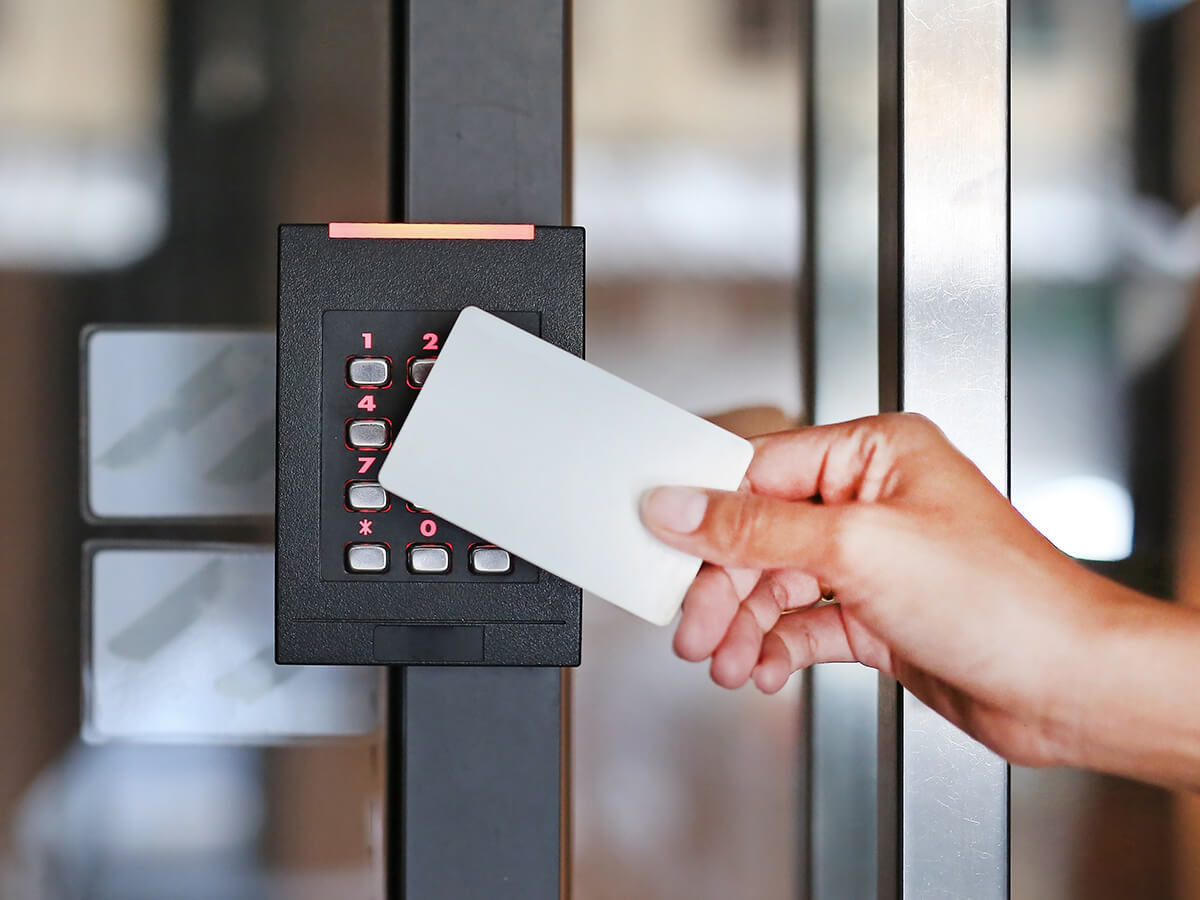
Businesses across different sectors face security challenges that require advanced access control solutions. These technologies help protect sensitive areas, manage employee access, and improve overall safety.
- Healthcare Facilities
Hospitals, clinics, and research labs must protect sensitive areas and patient information. Unauthorized access to medical records, pharmaceuticals, or equipment can lead to serious consequences. Access control systems help manage entry and ensure that only authorized personnel can enter restricted zones.
Biometric authentication, RFID keycards, and PIN-based access help control movement in healthcare settings. Doctors and nurses can access patient records securely, while visitors can be restricted from entering high-risk areas. These systems also improve emergency response by allowing security teams to lock down sections when needed.
- Corporate Offices and Commercial Buildings
Businesses need access control to prevent unauthorized entry, secure sensitive data, and manage employee access. Traditional key-based systems are risky because lost keys can compromise security. Digital access control offers a more secure and flexible alternative.
Companies use keycard access, mobile credentials, and cloud-based management to regulate entry. Access permissions can be updated in real time, ensuring that former employees or unauthorized individuals cannot enter restricted areas. These systems also integrate with HR software, making it easier to track employee attendance and security compliance.
- Educational Institutions
Schools and universities must ensure the safety of students, staff, and property. Open campuses and multiple entry points make them vulnerable to security breaches. Access control helps institutions regulate who enters and exits their facilities.
Keycards, mobile access, and biometric scanners prevent unauthorized individuals from entering classrooms, dormitories, and staff offices. These systems also track attendance and allow emergency lockdowns when needed. By implementing modern security measures, schools create a safer learning environment.
- Government and Military Facilities
Government offices and military bases require the highest level of security. Unauthorized access to classified areas can lead to data leaks, espionage, or safety risks. Access control technology ensures that only authorized personnel can enter secure zones.
Multi-factor authentication, encrypted keycards, and facial recognition provide an extra layer of security. These systems track access logs, allowing security teams to monitor who enters and exits specific areas. Integration with surveillance cameras further enhances security by providing live video monitoring.
- Financial Institutions
Banks and financial offices store sensitive customer data and valuable assets. Security breaches in these institutions can lead to fraud, identity theft, or financial losses. Access control helps prevent unauthorized entry and ensures that only verified personnel can access restricted areas.
Biometric authentication, PIN access, and time-based entry restrictions enhance security. These systems prevent unauthorized employees or visitors from accessing vaults, data centers, and private offices. Access logs also provide a record of who entered sensitive areas, helping with audits and investigations.
- Data Centers and IT Facilities
Data centers store critical information that needs protection from both physical and cyber threats. Uncontrolled access can lead to data theft, system failures, or security breaches. Access control ensures that only authorized personnel can enter these high-risk areas.
Fingerprint scanners, facial recognition, and PIN-based access limit entry to approved individuals. These systems integrate with cybersecurity protocols to create a multi-layered security approach. By controlling who can access servers and IT infrastructure, businesses reduce the risk of data breaches.
- Retail and Warehousing
Retail stores and warehouses need access control to prevent theft and manage inventory security. Employees, vendors, and delivery personnel must have controlled access to specific areas. Without proper security measures, businesses face financial losses due to internal and external threats.
Smart locks, RFID access, and surveillance integration help monitor who enters stockrooms and restricted areas. These systems also track employee movements, reducing unauthorized access to valuable merchandise. By securing entry points, businesses can prevent shrinkage and protect their assets.
- Hospitality and Entertainment Venues
Hotels, stadiums, and event venues must regulate guest entry and staff access. Open access areas make these businesses vulnerable to security threats, unauthorized entry, and theft. Access control helps create a safe environment for guests and employees.
Mobile key access, RFID wristbands, and smart locks allow secure and convenient entry. These systems also help venue managers track attendance and restrict access to VIP areas. By using modern access control, businesses improve security while enhancing the customer experience.
- Industrial and Manufacturing Facilities
Factories, plants, and distribution centers require strict security to prevent accidents, theft, and unauthorized access. Employees must have controlled access to hazardous areas, machinery, and inventory storage. Access control systems help enforce safety regulations and prevent security breaches.
RFID badges, biometric scanners, and PIN access ensure that only trained personnel can operate heavy machinery or enter sensitive areas. These systems also log entry and exit times, helping managers track employee shifts and security compliance. By implementing access control, industrial facilities create a safer and more efficient work environment.
Key Features to Look for in Modern Access Control Systems
- Biometric Authentication
Biometric authentication uses unique physical characteristics like fingerprints, facial features, or retina patterns to verify a person’s identity. These methods are difficult to fake or steal, making them highly secure. Unlike traditional keys or PINs, biometrics ensure that only the right person can access sensitive areas. This added layer of security reduces the chances of unauthorized entry.
By integrating biometric systems, businesses can enhance their security measures and eliminate the risk of lost or stolen credentials. Employees and authorized personnel can access restricted areas quickly and securely. This also helps in industries where confidentiality is critical, such as healthcare and finance. With advanced biometric technology, organizations can stay ahead of security threats.
- Cloud-based Management
Cloud-based management systems allow businesses to control and monitor access remotely, from anywhere. Administrators can adjust permissions, track access logs, and generate reports without needing to be on-site. This flexibility makes it easier to manage multiple locations and facilities. It also streamlines the security process by allowing instant updates to access control systems.
Cloud systems also provide better data backup and recovery options, ensuring that access records are safe and retrievable in case of an emergency. These systems can be accessed through any device, whether at the office or working remotely. This capability helps businesses maintain continuous oversight of their security, even during off-hours. Cloud-based management improves overall security efficiency and response time.
- Mobile Credentials
Mobile credentials allow users to access facilities using their smartphones instead of traditional keycards. This convenience means employees no longer need to carry physical cards, reducing the risk of loss or theft. Access is granted through an app on the user’s phone, which can be integrated with the company’s access control system. This also simplifies the process of issuing new credentials or deactivating lost ones.
With mobile credentials, businesses can enhance security without sacrificing convenience. Employees can use their smartphones to enter restricted areas, reducing wait times and improving overall workflow. These systems are also easily scalable for large organizations. Plus, mobile credentials offer the flexibility to update access permissions instantly without needing to replace physical cards.
- Integration with Surveillance
Surveillance integration connects access control systems with security cameras and alarms. This integration provides real-time video footage of entry points, allowing security teams to monitor who is accessing the building. If an unauthorized person tries to enter, the system can trigger an alarm or lock the door. This creates an extra layer of protection by combining physical and digital security measures.
By syncing access control with video surveillance, businesses can verify identities and activities instantly. This is particularly useful in high-security environments such as data centers or government buildings. The integration also helps security teams identify potential threats and respond quickly. With surveillance integration, organizations can strengthen their overall security infrastructure.
- Customizable Permissions
Customizable permissions allow businesses to adjust access levels based on roles and responsibilities. This ensures that employees only access areas relevant to their job functions, improving security and operational efficiency. For example, a manager may have access to all areas, while other staff may be restricted to specific zones. This granular control minimizes the risk of unauthorized access.
With customizable permissions, businesses can quickly respond to changes in personnel or job responsibilities. For instance, when an employee changes departments or leaves the company, their access can be modified or revoked in seconds. This flexibility makes it easier to maintain tight security as the workforce evolves. Tailored permissions also reduce the chances of human error, ensuring that each individual has the appropriate access level.
Enhance Security with Allfine Security’s Access Control Toronto Solutions
Businesses in Toronto need reliable access control to protect their properties and employees. At Allfine Security, we offer advanced solutions that ensure only authorized individuals enter secure areas. Our customizable systems integrate with surveillance, biometrics, and cloud management for maximum security.
Investing in modern access control Toronto services can prevent unauthorized entry, reduce theft, and improve safety. Call us today at (416) 855-0101 to upgrade your security with cutting-edge access control technology.