
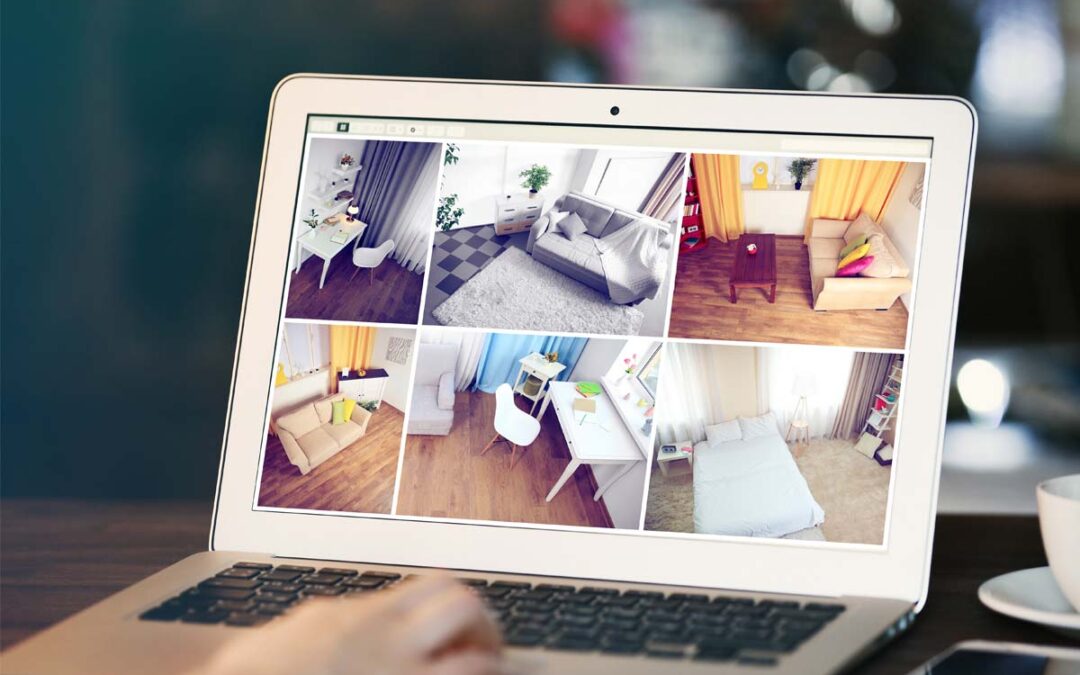
Live video monitoring is a powerful way to keep homes and businesses secure. With advanced technology, security systems now offer more than just recording footage. Choosing the right system means understanding which features provide the best protection.
Why Choosing the Right Live Video Monitoring System Matters
Not all live video monitoring systems offer the same level of security. Some provide basic recording, while others use smart technology to detect threats in real time. Picking a system with the right features helps prevent crime, protect property, and improve safety.
A reliable system reduces false alarms, improves response times, and captures clear footage. The right choice can make security effortless, whether you need to monitor a home, office, or large facility. Understanding key features will help you invest in a system that meets your needs.
What to Consider in a Live Video Monitoring System
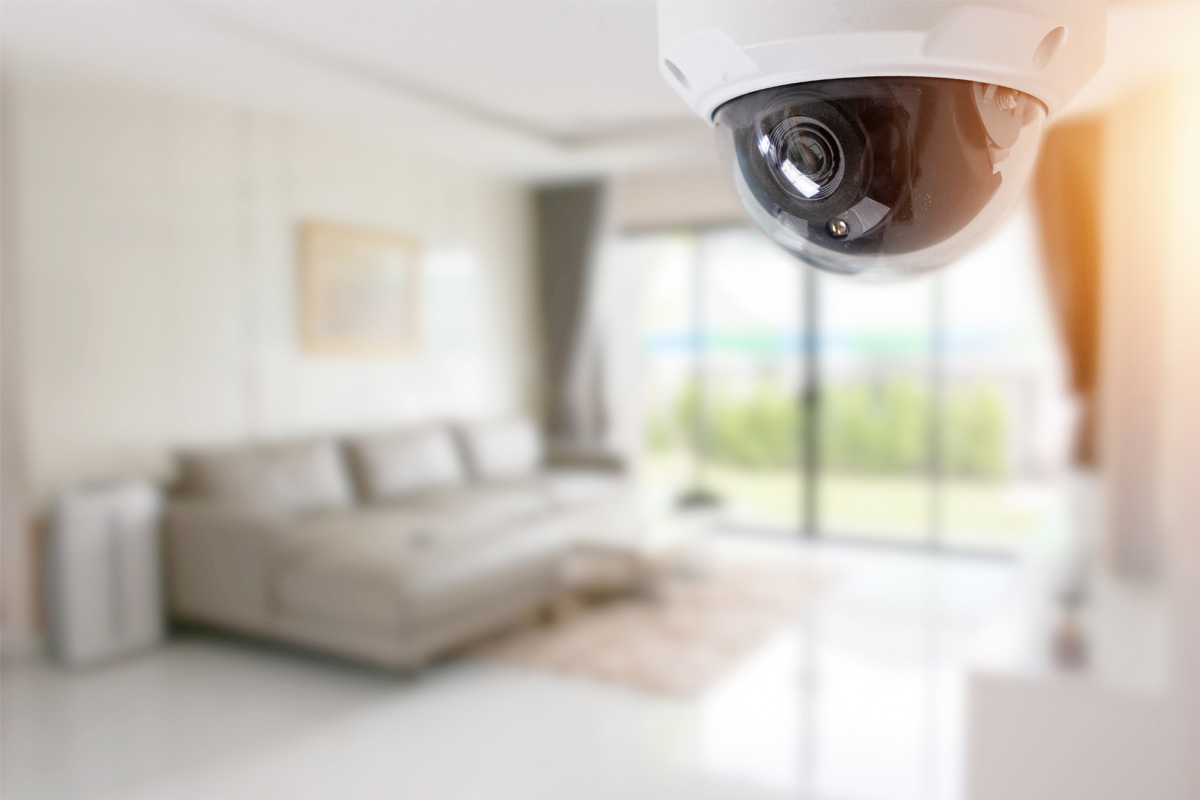
Choosing the right live video monitoring system ensures better security for homes and businesses. With advanced features like high-definition video, motion detection, and real-time alerts, the right system helps prevent threats and improves surveillance efficiency.
- High-Definition Video Quality
A good live video monitoring system should provide clear and detailed footage. Blurry or low-resolution images make it difficult to recognize faces, read license plates, or identify intruders.
Look for cameras with at least 1080p HD resolution to capture sharp video. Higher-quality options, like 4K cameras, offer even better clarity. Features such as high dynamic range (HDR) and wide-angle lenses improve visibility in different lighting conditions.
- 24/7 Remote Access and Cloud Storage
Remote access allows users to monitor their property anytime, from anywhere. A system with cloud storage ensures that footage is safe, even if the camera is damaged or stolen.
Many systems provide mobile apps or web-based platforms for easy access. Look for secure cloud storage options with encrypted data protection. Some systems offer different storage plans, so choose one that fits your recording needs.
- Motion Detection and Smart Alerts
Modern systems use motion detection to identify suspicious activity. Instead of recording all the time, they activate when movement is detected, saving storage space and making it easier to review important footage.
AI-powered detection helps differentiate between people, animals, and vehicles. This reduces false alarms from moving trees or changing light conditions. Some systems allow users to set specific zones for motion detection to focus on high-risk areas.
- Night Vision and Low-Light Performance
A security camera should work well in both bright and dark conditions. Without night vision, monitoring is ineffective during nighttime or in dimly lit areas.
Infrared (IR) night vision provides clear black-and-white images even in total darkness. More advanced systems offer colour night vision, which enhances detail and clarity in low light. Good low-light performance ensures security around the clock.
- Two-Way Audio Communication
Two-way audio allows users to hear and speak through the security camera. This feature is useful for communicating with visitors, employees, or even warning intruders
Built-in microphones and speakers let users interact remotely through a mobile app. It can also help businesses manage deliveries or give instructions to employees. For home security, two-way audio provides an added layer of protection.
- AI-Powered Object and Facial Recognition
AI-powered recognition improves the efficiency of live video monitoring. Instead of just detecting movement, it can identify faces, objects, and specific activities.
Facial recognition helps distinguish between familiar people and potential threats. Object detection can recognize vehicles, packages, and other items, making it easier to monitor specific events. Some systems integrate with databases to track known individuals or suspicious activity.
- Integration with Existing Security Systems
A good live video monitoring system should work with other security devices. Integration with alarms, access control, and smart home technology enhances protection.
Connected systems allow automation, such as turning on lights when movement is detected. Some cameras sync with voice assistants like Alexa or Google Assistant. This creates a more efficient and responsive security setup.
- Scalability and Multi-Camera Support
Security needs may change over time, so a system should support additional cameras. Whether for a growing business or a large home, scalability ensures complete coverage.
Multi-camera systems can be managed from a single dashboard, making monitoring easier. Wireless options allow flexibility in placing new cameras without complex wiring. A system that supports multiple locations is useful for businesses with different branches.
- Cybersecurity and Data Protection
A secure system prevents unauthorized access to live video feeds. Without strong cybersecurity measures, hackers can take control of cameras and compromise security.
Look for systems with end-to-end encryption and multi-factor authentication. Regular software updates help protect against new threats. Secure login options, such as two-step verification, add an extra layer of protection.
- Real-Time Professional Monitoring Services
Some security providers offer live monitoring by trained professionals. Instead of just recording footage, these services provide real-time response.
Monitoring agents verify alarms, assess threats, and contact authorities when needed. This is especially useful for businesses, remote properties, and high-security areas. A professionally monitored system ensures quick action in case of emergencies.
Additional Factors to Consider When Choosing a Live Video Monitoring System
- Wired vs. Wireless Systems
A wired system provides a stable connection and does not rely on Wi-Fi. However, installation can be difficult and may require professional setup. Wireless systems are easier to install and move but depend on internet strength. Some hybrid systems use both wired and wireless technology for reliability.
- Local vs. Cloud Storage
Local storage saves footage on SD cards or hard drives, keeping data private. However, it can be lost if the device is stolen or damaged. Cloud storage provides remote access and automatic backups. Some systems offer both options for added security.
- Battery Backup and Power Redundancy
A power outage can disable some security systems, making battery backup important. This ensures continuous recording even when electricity is down. Some cameras run on rechargeable batteries, while others have solar power options. Choosing a system with backup power prevents security gaps.
- Weather Resistance for Outdoor Cameras
Outdoor cameras must withstand rain, snow, and extreme temperatures. Look for cameras with an IP65 or higher rating for weather resistance. Vandal-proof designs prevent tampering, keeping the system reliable. Cameras with protective casings last longer in harsh conditions.
Secure Your Property with Live Video Monitoring from Allfine Security

A strong security system keeps your home or business safe at all times. Allfine Security provides reliable live video monitoring to protect what matters most.
With high-definition cameras, smart alerts, and professional monitoring, you can stay in control from anywhere. Our systems offer remote access, encrypted cloud storage, and AI-powered detection to enhance security. Choose Allfine Security for real-time protection and complete peace of mind. Call us today at (416) 855-0101.